Teaching Philosophy
INTRO
I view learning as a dynamic process shaped by prior knowledge, lived experiences, and social interaction. Drawing on Cognitive Load Theory, I design instruction that is clear, structured, and focused to reduce unnecessary mental effort and support deep understanding. My goal is to create learning experiences that are purposeful, accessible, and aligned with clear learning outcomes.
My Role as an Educator
I see my role as a facilitator of learning rather than the sole source of knowledge. I support students by guiding inquiry, encouraging discussion, and creating opportunities for reflection. Students are active participants in their learning, bringing diverse perspectives, identities, and experiences into the classroom.
Equity, Inclusion, and Accessibility
Equity, inclusion, and accessibility are central to my teaching practice. Guided by Universal Design for Learning (UDL), I design learning experiences that provide multiple ways for students to engage with content, access information, and demonstrate understanding. I recognize that learners differ in language, ability, background, and confidence, and I design proactively to support this diversity rather than react to it.
Differentiated Instruction
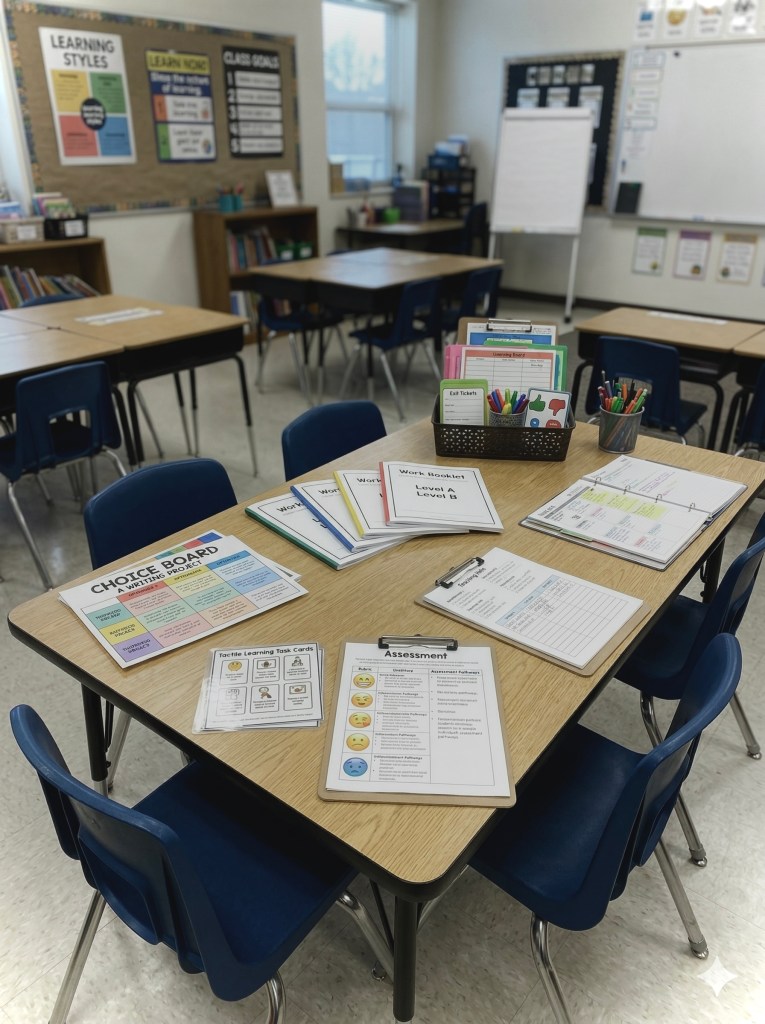
Differentiated instruction is an essential part of my teaching practice and aligns closely with my commitment to inclusive and accessible learning. I recognize that students vary in their readiness, interests, learning preferences, and cultural backgrounds. Rather than using a one-size-fits-all approach, I design learning experiences that provide flexible pathways for students to access content, engage in learning, and demonstrate understanding. This may include offering varied instructional strategies, scaffolded supports, and multiple assessment options. By differentiating instruction, I aim to create equitable learning opportunities where all students can succeed while maintaining high expectations.
Educational Technology
I use educational technology intentionally to enhance learning, not to replace it. Technology should support learning goals, increase accessibility, and provide meaningful ways for students to demonstrate understanding. At the same time, I approach technology critically by considering issues of privacy, equity, and ethical use in the classroom.
Assessment and Growth
I view assessment as a tool for learning rather than judgment. I prioritize formative assessment, feedback, and reflection to support student growth. By incorporating flexible assessment methods, I allow students to demonstrate their understanding in multiple ways while developing metacognitive skills and independence.
My teaching philosophy reflects my commitment to designing inclusive, ethical, and meaningful learning environments. As I continue to grow as an educator and educational technology designer, I aim to create learning experiences that empower students, respect their identities, and support their long-term success.
 Rawia Kabbesh - Educational Technology Designer